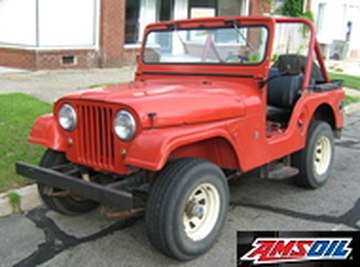
Engine Lubrication and Maintenance for the 1981 Jeep CJ-5 5.0L
Maintaining a vehicle like the 1981 Jeep CJ-5 requires a proactive approach to mechanical care. With a 5.0L engine, ensuring that all lubrication systems are functioning correctly is a fundamental aspect of long-term ownership. Because these vehicles are often subject to varying operating environments, consistent monitoring of fluid health and component integrity can help prevent unexpected issues.
Monitoring Fluid Integrity and Potential Leaks
One of the most effective ways to monitor the health of an engine is through regular visual inspections for fluid seepage. Over time, various gaskets and seals may experience changes in their ability to maintain a tight barrier. When performing routine checks under the vehicle or within the engine bay, look for any signs of wetness or residue around sealing surfaces.
If you notice fresh fluid accumulating on the ground or coating specific areas of the engine block, it warrants closer investigation. It is important to remember that a visible leak can be associated with several different components; therefore, identifying the exact source is necessary before attempting any repairs. Rather than assuming a single component has failed, use these observations to guide a more thorough inspection of all accessible seals and connection points.
Additionally, keep an eye on the appearance of the oil itself. While some discoloration is normal due to heat and use, significant changes in texture or the presence of unusual contaminants can indicate that the lubricant is no longer performing its intended role. Consistent monitoring allows you to address minor seepage before it evolves into a more significant maintenance requirement.
Observing Operational Warning Signs
Beyond visual inspections, paying attention to how the vehicle behaves during operation provides critical feedback regarding engine health. Changes in mechanical sounds or odors can often serve as early indicators that something requires attention. For example, an unusual odor emanating from the engine area may indicate that lubricant is contacting a hot surface, which should be investigated promptly.
If you notice changes in how the engine runs or if you observe any unexpected exhaust characteristics, these symptoms should not be ignored. It is vital to understand that many different mechanical issues can produce similar symptoms. A change in sound or a new odor does not automatically point to one specific part; instead, it serves as a prompt to perform a diagnostic check of the entire system. Addressing these signs early can assist in maintaining the overall operational stability of the 5.0L engine.
Prioritizing Maintenance Based on Current Condition
For owners of an older vehicle, deciding which maintenance tasks to prioritize can be challenging. Rather than following a rigid schedule based solely on the age of the vehicle, it is often more effective to base your priorities on the actual current condition of the machine. This approach involves distinguishing between necessary preventive maintenance and parts replacement that may not yet be required.
If you are working with a vehicle where the previous service history is incomplete, establishing a baseline is a helpful first step. This can be done by:
- Performing a comprehensive inspection of all fluid levels and qualities.
- Checking the condition of aging materials, such as hoses or belts, if they are present.
- Documenting any active leaks or observed mechanical changes.
- Reviewing any available repair records to understand what has been addressed in the past.
By focusing on addressing active concerns—such as a detected leak or a change in fluid consumption—first, you can manage maintenance costs and effort more efficiently. This condition-based strategy ensures that your efforts are directed where they will provide the most immediate benefit to the vehicle's longevity.
Managing Aging Components and Systems
As vehicles age, certain components naturally undergo changes due to thermal cycling and environmental exposure. When inspecting a 1981 Jeep CJ-5, it is useful to look at various subsystems with an eye toward gradual wear. For instance, if the vehicle is equipped with various belts or hoses, inspect them for signs of cracking, glazing, or fraying. Similarly, electrical connections should be checked for any evidence of corrosion or loose seating.
If your engine utilizes a specific ventilation system, ensuring that it remains clear of obstructions is also a practical maintenance step. Maintaining clean air filtration and ensuring that the engine can breathe properly helps prevent the buildup of internal deposits. While these inspections do not necessarily mean parts need immediate replacement, they provide the data needed to plan for future service needs before a component reaches the end of its functional life.
The Importance of Detailed Service Records
Maintaining a thorough history of all repairs and fluid changes is one of the most valuable tools for any owner. A well-kept logbook allows you to track patterns, such as how often certain fluids are consumed or how long specific components last under your driving conditions. This information becomes increasingly important as the vehicle ages, as it helps you distinguish between a new issue and a long-standing characteristic of the engine.
Consistent record-keeping also assists when seeking professional service. Providing a technician with a clear history of what has been replaced and what has been observed can significantly speed up the diagnostic process. Whether you are tracking oil changes, filter replacements, or more complex mechanical repairs, these records form the foundation of an informed maintenance strategy.
Practical Advice for Buying Engine Oil for your 1981 Jeep CJ-5 5.0L
When it is time to replenish your engine's lubrication, the most important step is to ensure the product you select matches the specific requirements of your application. To avoid errors, always match the engine oil to the application-specific viscosity information already displayed on this webpage.
As you browse available products, consider the following practical tips:
- Verify that the oil meets the appropriate API certification listed in your vehicle's documentation.
- Check the product label carefully to ensure the grade matches what is required for your 5.0L engine.
- If you are looking at different formulations, such as conventional, synthetic blends, or full synthetics, always prioritize the viscosity and specifications provided in the application data above.
- Some high-mileage oil formulations contain additives intended for use in aging engines, which may be a consideration depending on your specific engine's condition.
By strictly adhering to the technical information provided on this page rather than relying on general automotive assumptions, you can ensure that your 1981 Jeep CJ-5 receives the correct lubrication for its engine architecture.